
08 April 2026
Why Mental Health Must be Integrated Into Youth Sports
Rugby is celebrated for building strength, discipline and teamwork. Yet an equally important dimension of athletic development is frequently overlooked; mental health. As participation in youth sports continues to grow globally, there is increasing recognition that supporting the psychological well-being of young athletes is just as important as training their physical abilities.
Adolescence is a period marked by profound emotional, social and neurological development. During this stage, young people experience heightened vulnerability to stress, anxiety and depression, especially when navigating academic pressures, social expectations and identity formation. When competitive sport is added to the equation, with expectations to perform, win and represent their teams, the psychological load increases significantly.
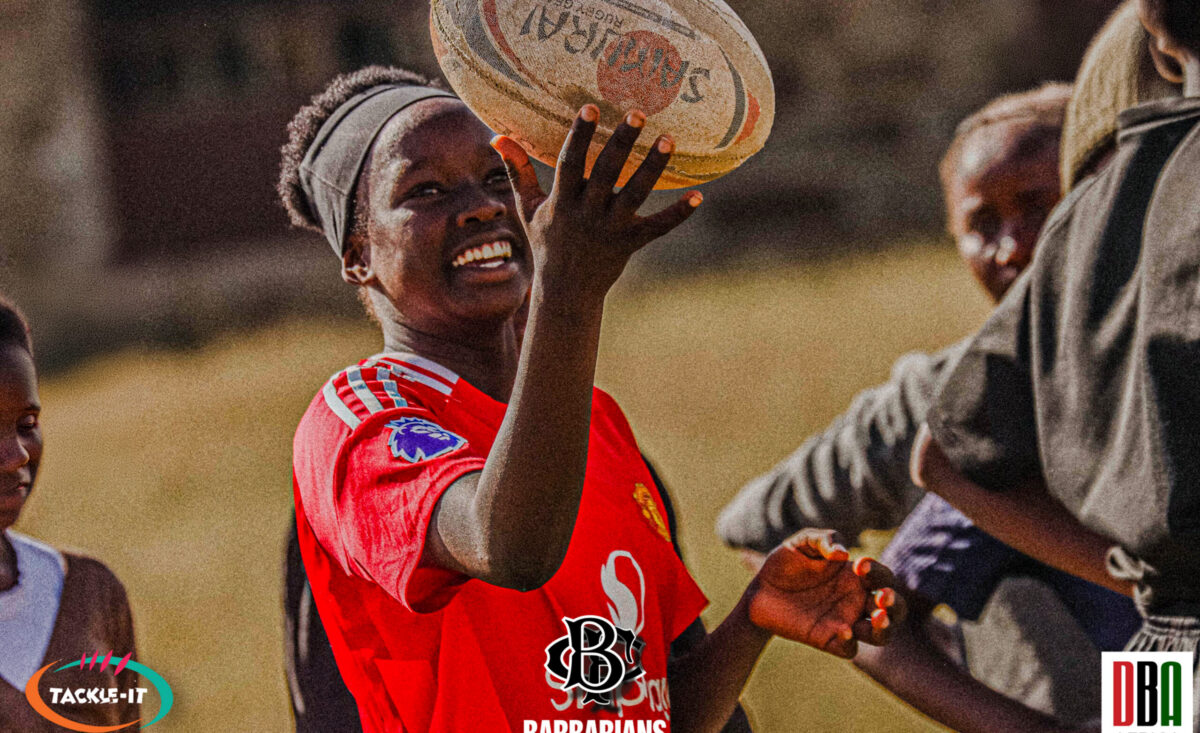
However, rugby sports environments at DBA Africa present a powerful opportunity to promote mental well-being. Coaches, teammates and rugby sports programs (Tackle-It) often provide a strong social network that fosters resilience, confidence and emotional regulation. DBA Africa has intentionally integrated mental health education and support with rugby, targeting the youth from the age of 13-19 years to enhance platforms that promote healthy development and athletic excellence.
This program is a sport-for-development initiative that plays a transformative role. Integrating mental health literacy, emotional awareness and coping skills into sports training helps young athletes understand and manage stress, regulate emotions and support one another. Coaches are trained to identify early warning signs of distress, such as withdrawal, irritability, sudden drops in performance or persistent fatigue and connect young people with appropriate support.
Notably, integrating mental health into youth sports does not mean turning coaches into therapists. Rather, it means creating psychologically safe environments (safe spaces) where young people feel respected, supported and able to speak openly about challenges they may be facing.
Healthy young people perform better, stay engaged longer, and develop stronger life skills. When we prioritize mental well-being alongside physical performance, we strengthen not only individuals but also teams and communities.
The future of rugby sports must therefore move beyond physical conditioning alone. Mental Health must become a core component of training, coaching and safeguarding in youth sports.
Because the strongest teams are built not only on physical strength but also on emotional resilience.
Written by Mary Kerubo - Clinical content lead, Tackle it