
11 May 2026
Coaching for safety: How sports coaches can identify violence and distress
Coaching for safety: How sports coaches can identify violence and distress
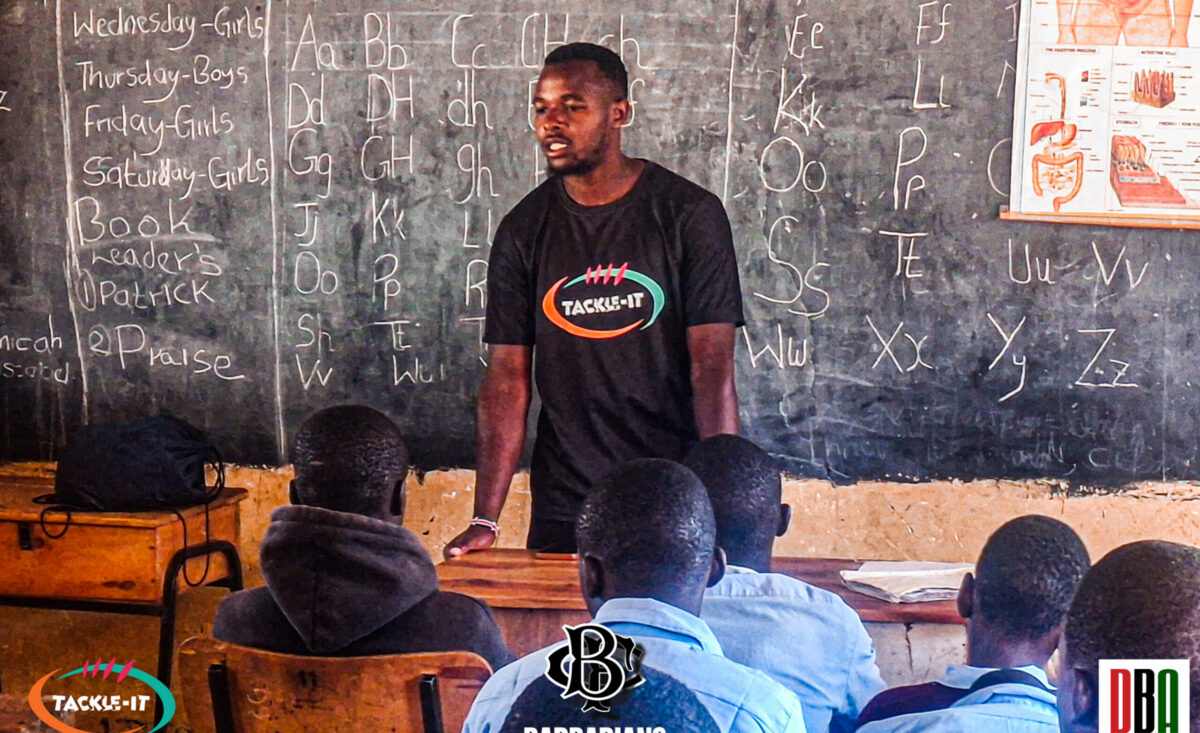
From a medical viewpoint, many of the critical warning signs in adolescent health do not first appear in hospital or clinics set-up, they emerge in everyday environments e.g. schools and sports fields. For adolescents engaged in rugby coaches occupy a uniquely influential position. They interact with young persons consistently, observe behavioral patterns over time and often become trusted adults in their lives. This proximity places coaches at the frontline of identifying early indicators of violence, abuse, and psychological distress.
Hidden burden of adolescents’ violence
Gender-based violence (GBV), bullying and other forms of abuse remain significant challenges affecting adolescents worldwide. These experiences occur in multiple settings including, homes, schools, communities and within sports environments. Clinically, the effects extend beyond immediate physical health to include long-term psychological consequences such as adolescent depression, anxiety disorder and trauma-related conditions. They impact school performance, social development and continued participation in sports. Which are central components of DBA Africa’s education and youth development programmes.
Critical impact of violence on health and performance
From a medical perspective, the early signs of distress are often recognizable. The participants present with unexplained injuries, persistent fatigues, withdrawals from peers, declining performance or sudden behavioral changes e.g. aggression or unusual quietness. These manifestations frequently proceed to formal clinical presentations.
Coaches as frontline observers, not diagnosticians
Coaches are the first to observe these deviations from baseline behavior. They are not expected to diagnose or investigate suspected abuse. Rather, their role aligns with principles of early detection and safeguarding. By maintaining regular contact with participants, coaches are well positioned to notice patterns that may indicate underlying distress.
Building safe and trustworthy team environments
Creating a safe and supportive environment is a pivotal first step. Practices e.g. routine check-ins, fostering peer support and promoting respect within teams contribute to a culture where young persons feel comfortable expressing challenges. This aligns with trauma-informed care principles used in clinical settings, where trust and psychological safety are essential for disclosure.
When participants disclose violence or distress, the response should follow key safeguarding principles. Listening calmly and without judgement is paramount. Young persons often fear stigma, disbelief or negative consequences. A supportive response reassures them that they are not alone and that help is available.
Referral pathways and access to support services
The next step involves appropriate referral through established channels. These include schools’ counsellors, healthcare providers such as One2One Hotline 1190 or designate child protection officers. Maintaining confidentiality while ensuring the safety of the participants’ is critical. Through programmes such as Tackle it, DBA Africa makes these options readily available to young people.
This process reflects an integrated model of care. Coaches act as community-based sentinels, identifying concerns early and linking young persons to formal health and social services. This represents a shift from reactive to preventive care, where interventions occur before conditions escalate.
The Tackle-It program demonstrates the value of embedding safeguarding within sports systems. Through clear codes of conduct, structured referral pathways and accountability mechanisms, such mechanisms strengthen protection frameworks and ensure that sports environments remain safe spaces for youth.
The role of coaches has evolved significantly. Beyond developing athletic skills and discipline, they contribute to broader health and well-being of adolescents. When equipped with knowledge to recognize distress and respond appropriately, coaches help transform sports into spaces of protection and early intervention and healing.
Effective adolescents’ healthcare extends beyond clinical settings. It requires collaboration across sectors including education, sports and community systems to identify risk early and respond holistically, reflecting the principles of DBA Africa’s sports-for-development approach.
Written by Mary Kerubo Otero - Clinical content lead, Tackle it