
17 March 2026
What Respect Looks Like on the Pitch and in Schools
Tackle It
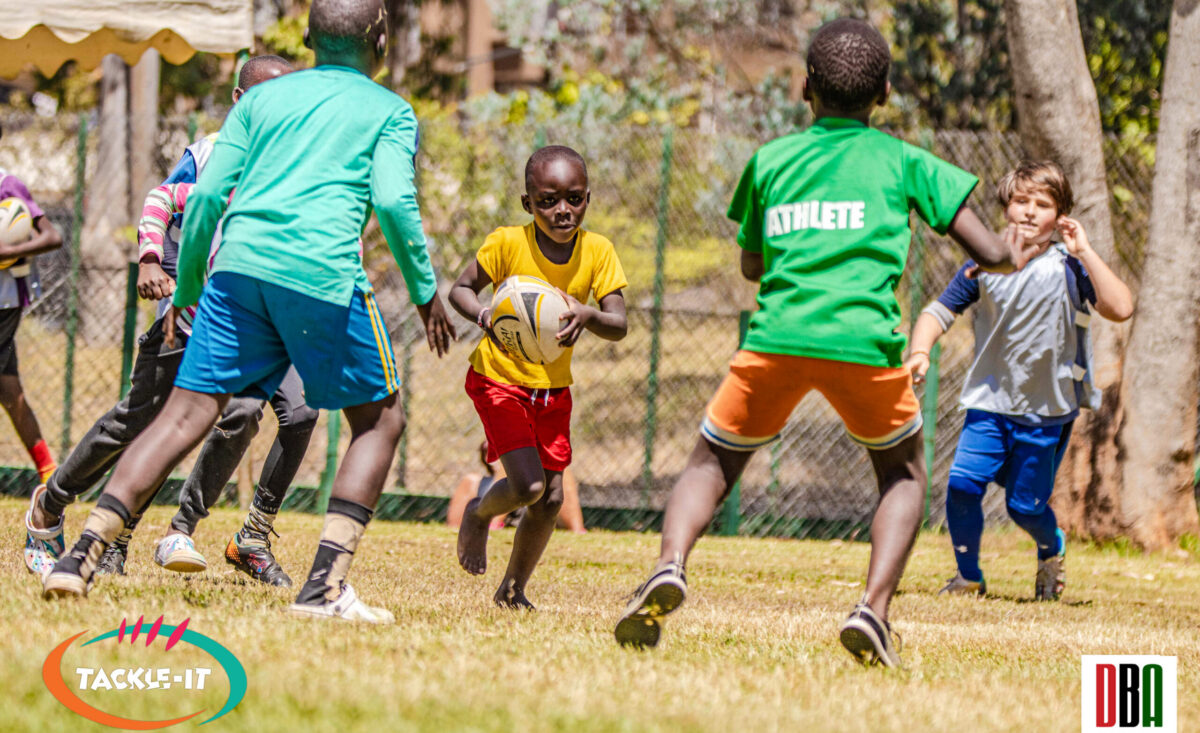
Respect is often spoken about in sport, but not always understood in practice. It is written into rules, expected in teams, and encouraged by coaches, yet for many young people, it remains an abstract idea. Tackle It seeks to change that by turning respect from a concept into something visible, practical, and lived both on the pitch and in schools.
At its core, Tackle It uses rugby as a platform to explore how young people relate to one another, how they handle conflict, and how they understand boundaries, accountability and personal responsibility. Respect is not treated as a slogan, but as a set of behaviours that can be learned, practiced and reinforced over time.
Respect in Sport: More Than Just Fair Play
On the rugby pitch, respect is immediate and observable. It is seen in how players listen to referees, support teammates and compete with discipline rather than aggression. It is reflected in how individuals respond to pressure, disagreement and physical challenge.
In Kenya, these moments are not theoretical. There have been high-profile cases in age grade and club rugby where referees have faced verbal and physical abuse, leading to suspensions and, in some cases, officials stepping away from the game entirely.
Through Tackle It, these moments become opportunities for learning, with coaches guiding players to reflect on how they respond when decisions do not go their way, how they treat opponents during and after competition and what accountability looks like within a team. These are not abstract questions but ones that directly address behaviours that continue to affect the quality, safety and credibility of youth sport environments.These conversations help young people understand that respect is not passive. It requires action, awareness and consistency.
Extending Respect Beyond the Pitch
What happens on the field does not stay there. One of the key strengths of Tackle It is its ability to connect behaviour in sport to behaviour in everyday life.
In school environments, respect takes an additional meaning, shaping how students interact with peers, respond to authority and navigate relationships. It influences how young people understand consent, communicate boundaries and support one another. By linking rugby sessions with facilitated discussions, Tackle It helps participants see the direct connections between teamwork and collaboration in the classroom, discipline in sport and responsibility in school and respect in competition and respect in relationships.
This is particularly important in contexts where win-at-all-costs mentalities in school sport can override learning, leading to poor conduct on the pitch and strained relationships off it, reinforcing that the values learned through sport are directly transferable to education and life.
Creating Safe Spaces for Honest Conversations
Respect cannot be taught effectively without environments where young people feel safe to speak, ask questions and reflect honestly. Tackle It prioritises these spaces, recognising that learning and personal growth depend on trust and openness.
Within sessions, participants are encouraged to engage in open discussions around healthy and unhealthy behaviours, peer pressure and decision making, gender dynamics and equality, and personal safety and boundaries. In Kenya, where conversations about mental health, consent and personal safety are often limited or avoided altogether, these spaces are not just valuable, they are necessary.
These conversations are guided by trained facilitators who ensure discussions remain inclusive, age appropriate and grounded in safeguarding principles. The aim is not to lecture, but to build understanding through participation and shared experience, helping young people translate lessons from sport into safer, more respectful interactions in school and the community.
The youth learn as much from what adults do as, from what they say. In Tackle It, coaches play a central role in modelling respect through their behaviour, communication and leadership.
Through specialised training delivered in partnership with One2One Kenya under LVCT Health, coaches are equipped to lead by example in creating inclusive environments, address conflict constructively, reinforce positive behaviour consistently and recognise when additional support may be needed. This is critical in addressing long-standing gaps in coach education, where technical training has often been prioritised over safeguarding, behaviour management and athlete welfare.
By combining guidance, reflection and practical application, this approach ensures that respect is not only discussed but demonstrated in every session, giving young people clear models to follow both on and off the pitch.
Respect, Safeguarding and Support
Respect is closely linked to safety. When young people understand boundaries and feel valued, they are more likely to seek help and support others.
Tackle It integrates safeguarding and mental health awareness into its approach, ensuring that participants know where to turn if they need support. Coaches are trained to guide young people towards appropriate services, including established psychosocial support systems and Kenya’s 24 hour toll free mental health helpline 1190.
This is particularly important in environments where incidents such as bullying, hazing or unsafe initiation practices in school sport have gone unaddressed or underreported. It reinforces a critical message: respect includes looking out for yourself and for others.
By embedding respect, accountability and safe communication in grassroot sport and school environments, Tackle It equips young people with the skills to recognise boundaries, manage conflict constructively and respond to aggression without resorting to violence. These lessons extend beyond the pitch, helping participants navigate relationships at home and in their communities, reduce the likelihood of domestic conflict and bullying and promote positive conflict resolution. In practising respect, teamwork and personal responsibility, young people become active agents in violence prevention, modelling non-violent behaviour for peers and younger siblings and contributing to safer, more supportive environments both in school and at home.
Building a Culture, Not a Moment
Respect is not built in a single session or defined by one conversation. It develops over time through consistent reinforcement and shared responsibility. By combining structured sport, guided discussions and trained facilitators, Tackle It helps build school and community environments where respect is understood, expected and practised daily.
The impact goes beyond individual participants. Schools benefit from improved behaviour and stronger relationships. Teams become more cohesive. Communities begin to see sport not just as recreation, but as a tool for shaping values and supporting young people.
Respect underpins everything that Tackle It aims to achieve. It supports mental wellbeing, strengthens relationships and creates safer environments for learning and growth. When young people understand what respect looks like and are given the opportunity to practise it, they are better equipped to navigate school, sport and life beyond both.
Through deliberate, structured engagement, DBA Africa ensures that sport is not only a space for performance, but a foundation for character, responsibility and positive life outcomes.