
18 May 2026
Why Safe Spaces in Youth Rugby Are a Public Health Priority
Rugby is often celebrated for building strength, discipline and teamwork. Yet beneath these benefits lies a critical question: are sporting environments truly safe for young people? Creating safe spaces in youth rugby is not only a safeguarding issue, but also a growing public health priority with measurable health and social outcomes.
The Clinical Reality of Unsafe Sporting Environments
Exposure to violence, whether emotional, physical or sexual, can have serious long-term consequences for young athletes. Participants exposed to unsafe environments are at greater risk of depression, anxiety disorders, post-traumatic stress, substance misuse and other stress-related health conditions.
From a clinical perspective, repeated exposure to unsafe conditions activates chronic stress responses within the body. Over time, this can contribute to toxic stress, affecting emotional regulation, concentration, behaviour and even long-term physical health outcomes.
These realities reinforce the importance of DBA Africa and One2One Kenya in creating safe sport programmes in Africa and the need for stronger safeguarding systems within youth sport.
Why Safe Spaces Matter
Safe sporting environments act as an important form of early prevention. When young athletes feel safe, supported and respected:
- Reporting of abuse and harmful behaviour increases
- Early intervention becomes more possible
- The risk and severity of psychological harm is reduced
- Trust between young people and adults is strengthened
This reflects broader public health approaches that prioritise prevention, early identification and timely support rather than reactive intervention alone.
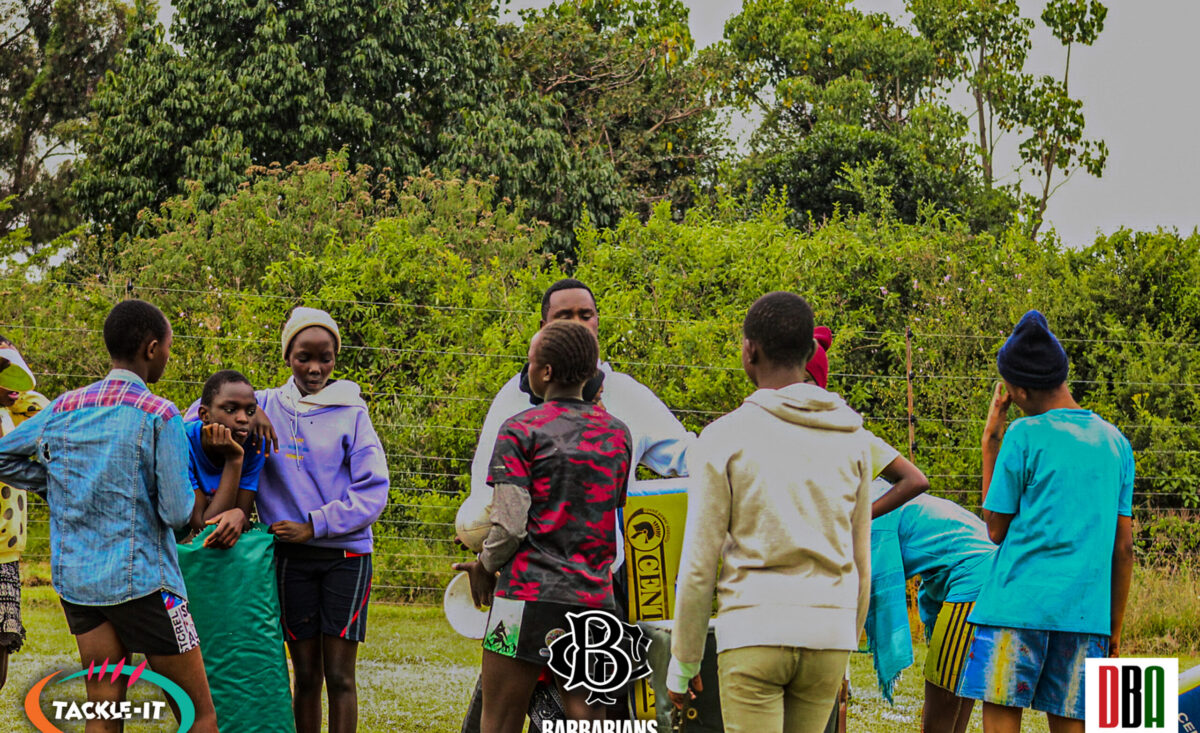
Within DBA Africa’s Tackle It programme, rugby is used as a platform for youth development through sport, helping young people understand respect, boundaries, healthy behaviour and where to seek help when needed.
The Role of Reporting and Safeguarding Systems
Effective reporting systems are central to safeguarding in youth sport. Much like surveillance systems in healthcare, they help identify concerns early, enable timely responses and reduce the likelihood of repeated harm.
However, systems are only effective when young people feel empowered and safe enough to use them. Fear, stigma and power imbalances often prevent athletes from speaking up, making psychological safety just as important as physical safety.
Through partnerships such as One2One Kenya under LVCT Health, Tackle It strengthens referral and support pathways, connecting participants to counselling services and safeguarding support where necessary. This integrated approach supports both sport for development goals and broader violence prevention efforts.
Creating safer sporting spaces is therefore not only about protecting participation. It is about protecting health, wellbeing and the long-term development of young people both on and off the pitch.
Written by Mary Kerubo Otero - Clinical content lead, Tackle it