
02 September 2026
Building Africa’s Rugby Future
Frederick Okoth Shines as Kenya Schools Select Face King’s College Budo, Uganda
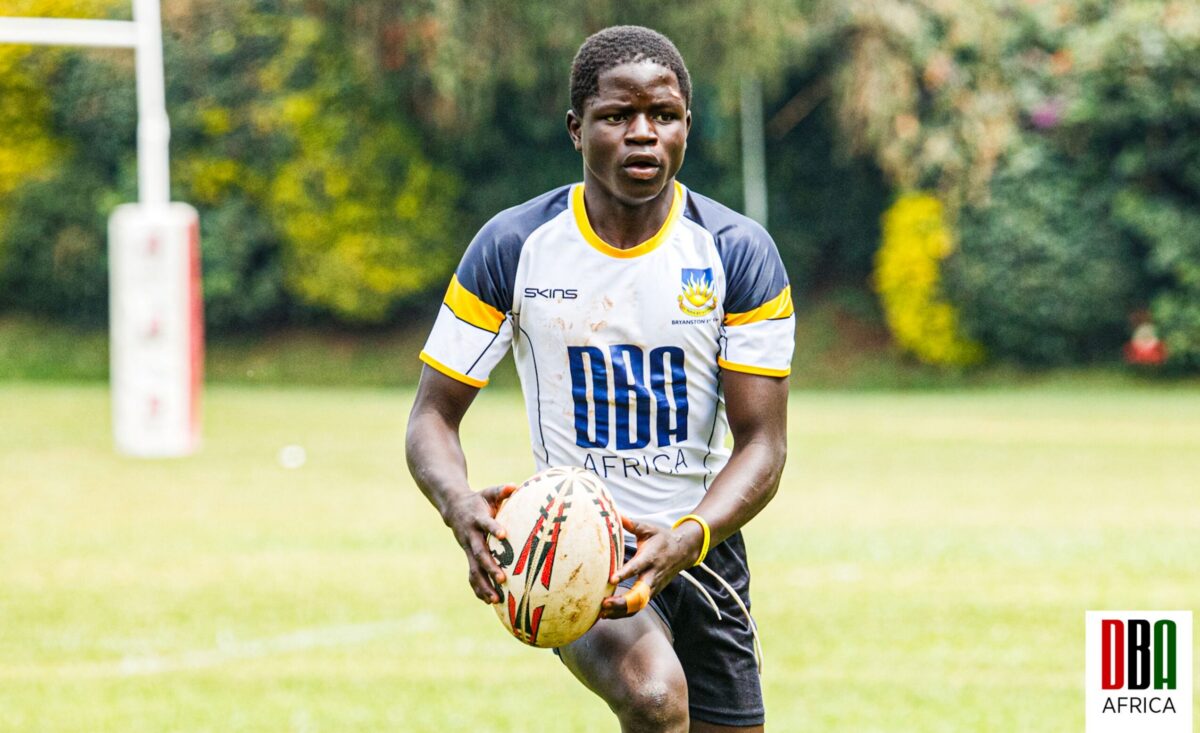
Fredrick Okoth’s MVP performance for the Kenya Schools Select against King’s College Budo was more than merely a personal achievement. His fast footwork left defenders behind as he scored a counter-attack try, and his accurate kicking and passing throughout the game showed why he’s trusted at fullback. For DBA Africa Rugby Academy, this was another clear example of what can happen when young players get the right environment, coaching, and opportunities to grow.
The Pathway Behind the Performance
Okoth’s performance was no accident. It came from years spent in a system designed to guide young players from their first experience with rugby to the point where they can control a tough match against international opponents. DBA Africa’s academy isn’t focused on just one great performance. It aims to produce these results every year, with new players stepping up each time. This week, Okoth is the one showing what the system can do.
A school match against King’s College Budo might not seem important at first, but games like this count for more than the score shows. East African rugby develops via these experiences, Kenyan players facing Ugandan teams, coaches sharing ideas, and young players realising that competition goes beyond their own schools or countries. These matches help the region improve, one game at a time though grassroots competition.
Why the U16 Age Group Matters More Than Ever
Rugby’s inclusion in the Olympics has changed where development should focus. Sevens rugby is fast-paced, and the best players are usually those who experienced high-intensity, skilful training early on, not those found late and pushed through quickly. This makes the U16 age group one of the most important stages. With the right coaching and exposure at this age, players like Okoth gain the skills they need long before senior selectors notice them.
Competitions like the Barthés Trophy help close the gap that once caused many promising African players to be overlooked, the gap between strong school rugby and senior international rugby. Without good U20 competitions, talented players either stopped improving or were pushed into senior rugby too soon. Tournaments at this level give young Africans real international experience against tougher opponents, at an age when these lessons still shape their growth.
Academies as the Missing Link
Grassroots rugby produces numbers. Schools’ rugby produces exposure. But it's the academy system that develops many players. School rugby gives them exposure. But it’s the academy system in between that turns participation into a real path to the national team. Without this middle step, many talented kids are lost between school rugby and senior selection because no one is guiding or coaching them regularly, or giving them the right opportunities at the right time. DBA Africa aims to fill this gap. What the continent has lacked is the infrastructure to keep producing them, tournament after tournament, generation after generation, instead of relying on the occasional standout who breaks through in spite of the system rather than because of it. A single gifted athlete can carry a team for a season. Only a pathway can carry a country for a decade.
Okoth’s performance isn’t the end goal, it shows that the sport pathways are starting to work. Now, the challenge is to create enough pathways across Africa for the next generation to follow