
13 April 2026
Respect and Consent in Sports: A Violence Prevention Strategy
Rugby has the power to unite communities, inspire young people and shape lifelong values. Thus far, rugby environments are not immune to challenges for example bullying, harassment and gender-based violence. For young participants, especially adolescents, these risks highlight the urgent need for stronger safeguarding measures within sports programs. One of the most effective ways to prevent violence in sports settings is through education on respect and consent.
Respect is a foundation value in rugby. It shapes how teammates interact, how coaches guide participants and how players treat opponents. Consent is closely linked to respect, it refers to the ability of participants to set personal boundaries and have those boundaries acknowledged and honoured. In rugby spaces, this applies to physical contact, personal interactions, communication and team culture, reinforcing consent education in sport and safeguarding in youth sport.
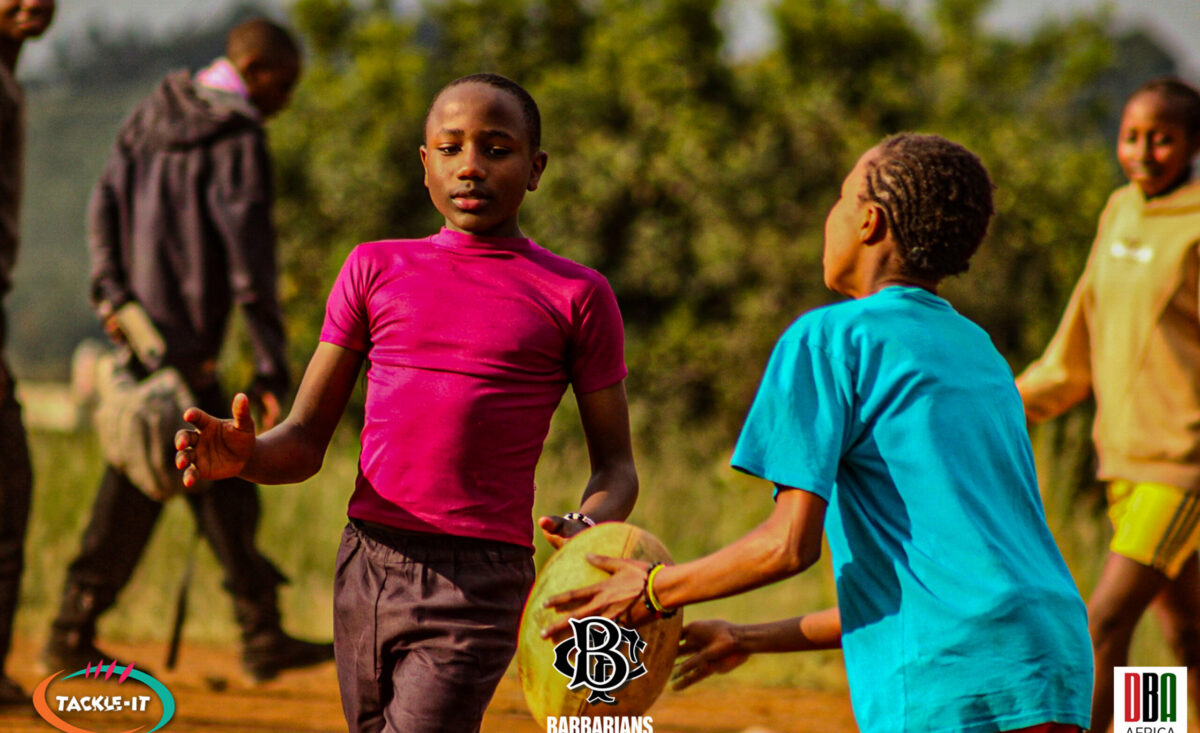
For young participants, learning about consent and respectful behavior is not only a matter of safety, it is also a critical life skill. Adolescence is a formative period during which young people develop their understanding of relationships, power dynamics and personal boundaries. At DBA Africa the Tackle-It program which is a rugby-sports based program intentionally teaches these principles as part of youth development through sport and gender-based violence prevention through sport, contributing to safer environments both on and off field.
Evidence from sport-for-development programs shows that structured conversations about gender equality, consent and respect reduce harmful behaviors e.g bullying and harassment. They also empower young participants to become active members of society who recognize harmful situations and take steps to intervene or seek help,strengthening violence prevention programmes for youth.
Coaches play an influential role in shaping team culture. By modelling respectful behavior, addressing inappropriate conduct immediately and encouraging open dialogue, they also aid in creating environments where participants feel safe and valued. Establishing clear codes of conduct and safeguarding protocols further strengthens protection for young players and supports safe sport programmes in Africa.
Significantly, consent education in rugby also challenges harmful stereotypes around masculinity, power and competition. It reinforces the idea that strength includes empathy, accountability and respect for others.
Rugby has always been about more than winning games. It provides a platform where young people learn discipline, teamwork and leadership. By embedding respect and consent into sports training, rugby becomes a powerful tool for preventing violence and promoting equality.
Safe rugby is not just about physical safety. It is about creating environments that support sport for development, where every young participant participates with dignity, confidence and respect.
And that is a goal worth tackling together.
Written by Mary Kerubo Otero - Clinical content lead, Tackle it