
back to stories
back to stories
10 September 2026
The Strongest Players Need Someone in Their Corner Too
This World Suicide Prevention Day, DBA Africa is changing the conversation around mental health in sport. Sport teaches us to keep going, to get back up after a tackle, to run the next phase when our legs are tired, to train after a difficult loss, to trust our teammates when the pressure is high but there is another lesson sport must teach us: It is okay to say when you are not okay.
On 10th September, World Suicide Prevention Day gives the world an opportunity to talk openly about suicide prevention and mental health. The 2026 theme, “Changing the Narrative on Suicide,” calls on communities to challenge stigma and start the conversation. For the sports community, that conversation matters. Behind the jersey is a person, an athlete can look confident on the field and still be struggling away from it. The pressure to perform, selection disappointments, injuries, financial uncertainty, academic demands, expectations from family, transitions after school or sport, and the fear of letting teammates down can all affect an athlete's wellbeing. Sometimes the person scoring the winning try is also carrying a burden nobody sees. Sometimes the athlete who is always encouraging everyone else needs someone to ask: “How are you really doing?” That is why mental wellbeing cannot be treated as something separate from athlete development.
We need to redefine strength. In sport, strength is often associated with physical ability, but real strength can also mean asking for help. It can mean speaking to a coach, teammate, teacher, parent, counsellor or another trusted adult. It can mean recognising that taking care of your mind is just as important as taking care of your body and for coaches, teachers, parents and teammates, strength means creating environments where people can speak without fear of being judged.
Coaches are more than tacticians
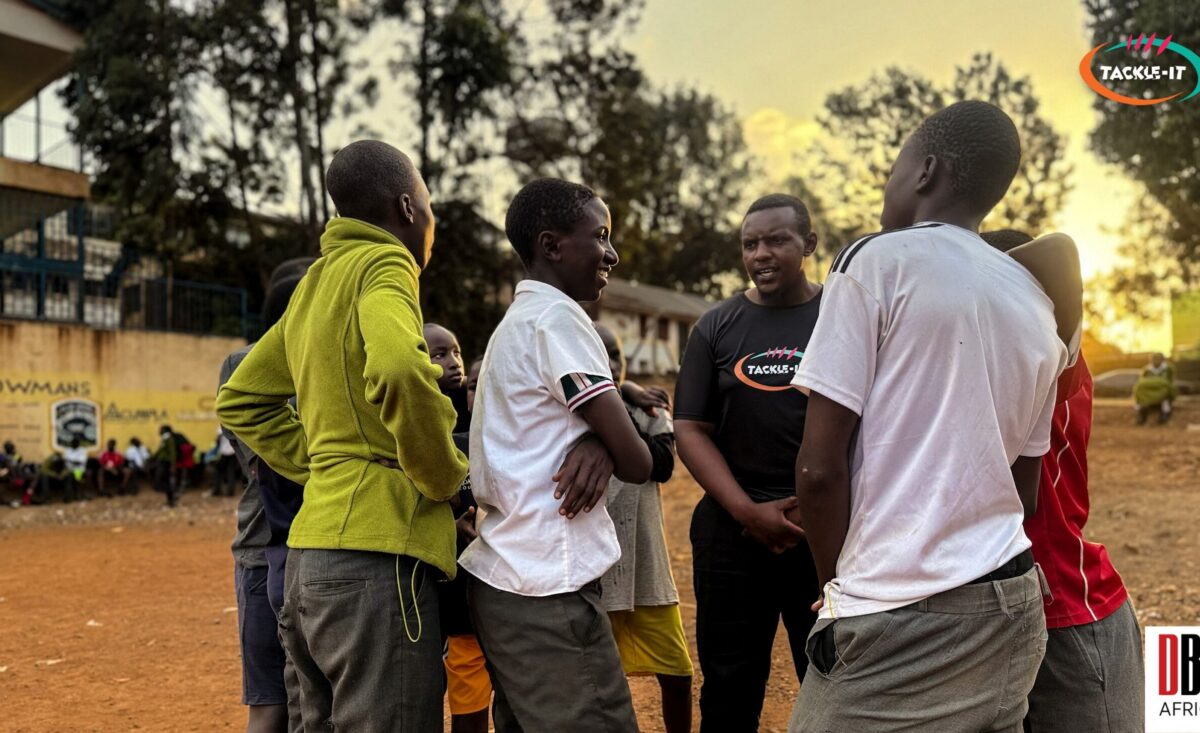
A coach sees an athlete repeatedly. They see the energy change. They notice when someone who normally participates becomes withdrawn. They may notice when an athlete stops engaging with teammates, loses interest in activities they once enjoyed, or seems different from their usual self. That does not make the coach a mental-health professional, but it does mean coaches can play an important role in creating a culture where athletes know that speaking up is acceptable and that seeking appropriate support is not a weakness. The coach doesn't always need to have the answer. Sometimes the first step is simply listening and connecting the athlete with the right support.