
17 April 2026
Trauma and Performance: Understanding the physiology of stress in athletes/participants
Rugby is associated with strength, endurance and peak performance. Yet behind many young participants physical achievements lies an often overlooked factor; the physiological impact of stress and trauma. Understanding how trauma affects the body is essential for coaches, educators and the Tackle-It programme that works with adolescents.
Trauma is the experience that overwhelms the participant’s ability to cope. For young participants trauma results from exposure to violence, abuse, family conflict, bullying or chronic stress in their environments. While this experience occurs outside the sports field, they significantly influence young the way the young participants think, feel and perform during training and competition.
Biological systems involved in trauma response are the stress response system that releases the cortisol hormone. Cortisol hormone is produced by the adrenal glands and plays an important role in regulating the body’s reaction to stress. In short bursts, cortisol helps the participants to stay alert, focused and ready for physical activity. However, when stress becomes chronic such as in situations involving ongoing trauma or insecurity the body may produce persistently elevated cortisol levels.
For young participants, prolonged exposure to stress affects several aspects of health and performance. High cortisol levels contribute to fatigue, reduced concentration, slower recovery from physical activity and increased risk to injury. In addition, chronic stress impairs emotional regulation making the participants more prone to anxiety, irritability or withdrawal from social interactions.
Trauma also affects decision-making and reaction time, two critical components in rugby sports performance. Participants experiencing high levels of psychological stress struggle to remain focused during games, communicate effectively with teammates or respond calmly to pressure.
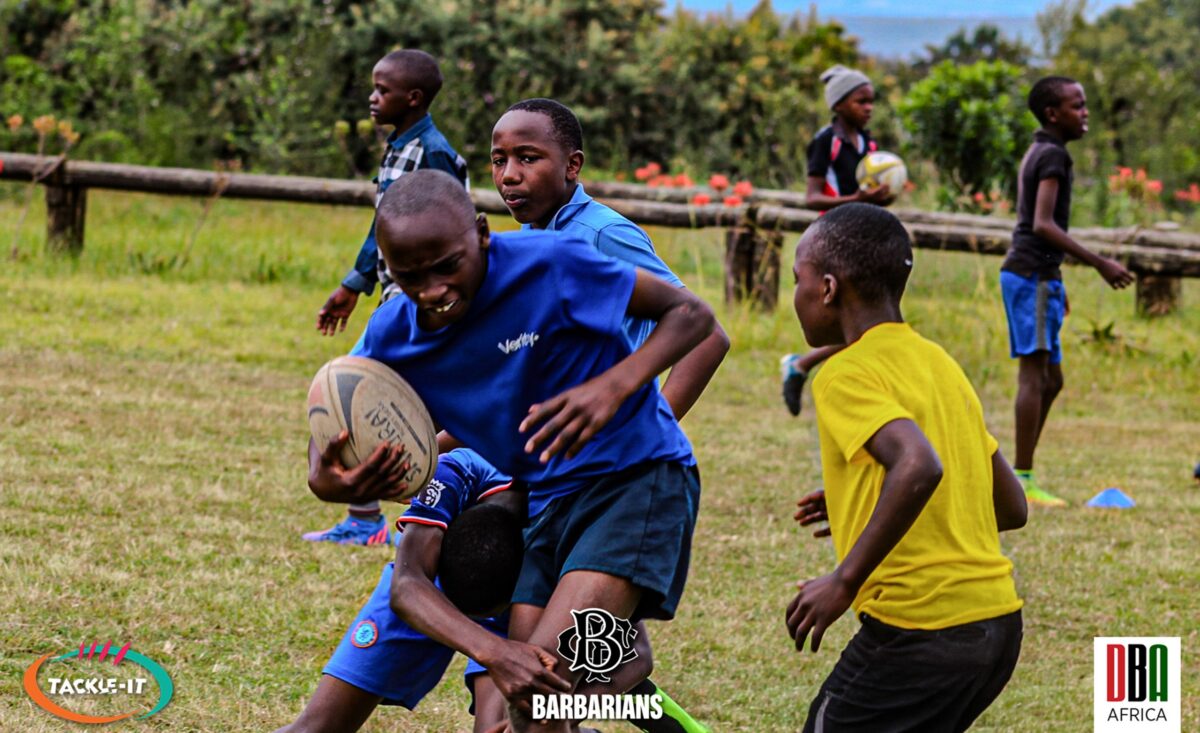
The rugby environment plays a powerful role in supporting recovery and resilience. The structured physical activity has shown to help regulate stress responses in the body, improve mood through the release of endorphins and strengthen social connection among young persons. DBA Africa’s Tackle-It programme, informed by principles of sports for development and partnered with One2One Kenya under LVCT Health has integrated psychological safety and trauma-informed coaching creating an environment where youth build confidence and emotional stability.
Trauma-informed coaching doesn’t require coaches to become therapists. Instead, it involves recognizing that participants carry invisible stress and responding with empathy, patience and supportive communication. Encouraging teamwork, creating predictable routines and promoting positive reinforcement within DBA Africa’s programmes significantly reducing anxiety and fostering resilience.
Understanding the physiology of stress reminds us that performance is not only physical, but also deeply connected to mental and emotional well-being. When young sports programs recognize and address trauma, they do more than improve the participants' outcomes. They help young people to develop as needed to thrive both on and off the field.
Written by Mary Kerubo Otero - Clinical content lead, Tackle it